
Exploring the Benefits of BPC 157 Peptide for Healing and Recovery
- Jun 23
- 3 min read
Injuries and chronic pain can slow down daily life and limit physical performance. Finding effective ways to speed up healing and support recovery is a priority for many people, from athletes to those dealing with long-term health issues. One compound gaining attention for its potential healing properties is BPC 157, a peptide that shows promise in promoting tissue repair and reducing inflammation.
What is BPC 157?
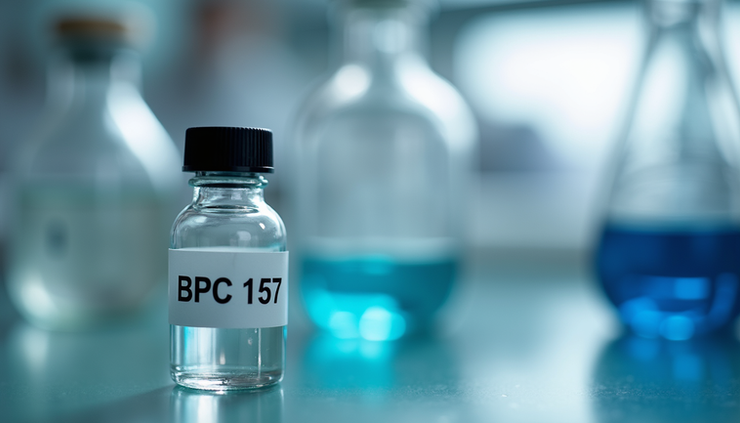
BPC 157 stands for Body Protection Compound 157. It is a synthetic peptide derived from a protein found naturally in the stomach. Researchers have studied it for its ability to support the healing of muscles, tendons, ligaments, and even the gut lining. Unlike many treatments that target symptoms, BPC 157 appears to work by encouraging the body’s own repair mechanisms.
This peptide is made up of 15 amino acids and is considered stable in human gastric juice, which means it can survive the digestive process. This stability suggests it could be taken orally or through injections, although most research so far has been done in animal models.
How BPC 157 Supports Healing
BPC 157 influences several biological processes that contribute to faster recovery:
Promotes angiogenesis: It helps form new blood vessels, improving blood flow to injured tissues. Better circulation means more oxygen and nutrients reach damaged areas, speeding repair.
Reduces inflammation: Chronic inflammation can delay healing. BPC 157 modulates inflammatory responses, helping to calm swelling and pain.
Stimulates growth factors: It encourages the release of growth factors that support cell regeneration and tissue repair.
Protects cells: The peptide shields cells from damage caused by toxins or stress, preserving tissue integrity.
These combined effects make BPC 157 a promising candidate for treating injuries and conditions involving tissue damage.
Benefits for Muscle and Tendon Recovery
Muscle strains and tendon injuries are common, especially among athletes and active individuals. These injuries often require long recovery times and can lead to chronic pain if not properly healed.
Studies on animals have shown that BPC 157 can accelerate the healing of muscle tears and tendon ruptures. It improves the organization of collagen fibers, which are essential for strong, flexible tissue. This means injured muscles and tendons can regain strength faster and with less scar tissue formation.
For example, research on rats with Achilles tendon injuries demonstrated that BPC 157 treatment led to quicker recovery of tendon function compared to untreated groups. While human studies are limited, these findings suggest potential benefits for people recovering from similar injuries.
Potential Gut Health Benefits
Because BPC 157 originates from a stomach protein, it has been studied for its effects on the digestive system. It may help repair damage to the gut lining caused by ulcers, inflammatory bowel disease, or other gastrointestinal issues.
In animal models, BPC 157 has shown protective effects against stomach ulcers and intestinal inflammation. It supports the regeneration of the mucosal lining, which acts as a barrier against harmful substances. This could make it useful for people with digestive disorders that involve tissue damage and inflammation.
How People Use BPC 157
BPC 157 is not yet approved by regulatory agencies for medical use, but it is available as a research chemical. Some individuals use it under medical supervision or as part of experimental therapies.
Common methods of administration include:
Subcutaneous injections near the injury site
Oral capsules or sprays for gut-related issues
Dosage and treatment length vary widely depending on the condition and individual response. Because research is still emerging, anyone considering BPC 157 should consult a healthcare professional and consider the legal status in their country.
Safety and Side Effects
Current research suggests BPC 157 has a low toxicity profile and is generally well tolerated in animal studies. No serious side effects have been reported in these models. However, human data is limited, and long-term safety is unknown.
Potential users should be cautious and avoid self-medicating without professional guidance. More clinical trials are needed to confirm safety, effective dosages, and potential interactions with other medications.
Summary of Key Benefits
Supports faster healing of muscles, tendons, and ligaments
Promotes new blood vessel growth for improved tissue repair
Reduces inflammation and protects cells from damage
May help repair the gut lining and reduce digestive inflammation
Shows low toxicity in animal studies but requires more human research
BPC 157 offers an exciting possibility for enhancing recovery and healing in various tissues. While more evidence is needed before it becomes a mainstream treatment, early findings highlight its potential as a supportive therapy for injury and inflammation.


